How To Properly Maintain Your Septic Tank
Most septic systems don’t fail because of one big mistake. They fail because small, predictable maintenance steps were skipped over time. The system keeps working, just a little worse each year, until something finally gives.
For homeowners across Turner, Salem, and throughout Marion and Linn County, this usually shows up as slow drains, odors, or backups that seem to come out of nowhere. In reality, the system has been trending in that direction for a long time. Santiam Septic & Drain works on these situations every day, and most of them could have been avoided with a few consistent habits and basic awareness.
Septic systems fail slowly, not suddenly
A septic system doesn’t stop working overnight. It loses efficiency in stages. Waste still moves through the tank, but not as cleanly. Water still drains, but more slowly. The drain field still absorbs, but under more stress.
By the time a homeowner notices something is wrong, the system has usually been operating outside normal conditions for quite a while.
That’s why maintenance isn’t about reacting to problems. It’s about keeping the system within its designed limits so those problems never develop in the first place.
The biggest mistake is waiting for a symptom
One of the most common patterns we see is homeowners waiting until something feels off before scheduling service. The issue with that approach is simple, septic systems don’t give early, obvious warnings.
When symptoms do show up, they tend to mean:
-
- The tank is already close to full
- Flow through the system is restricted
- The drain field is under more pressure than it should be
At that point, service is still possible, but it’s no longer preventative, it’s corrective.
Why regular pumping matters more than anything else
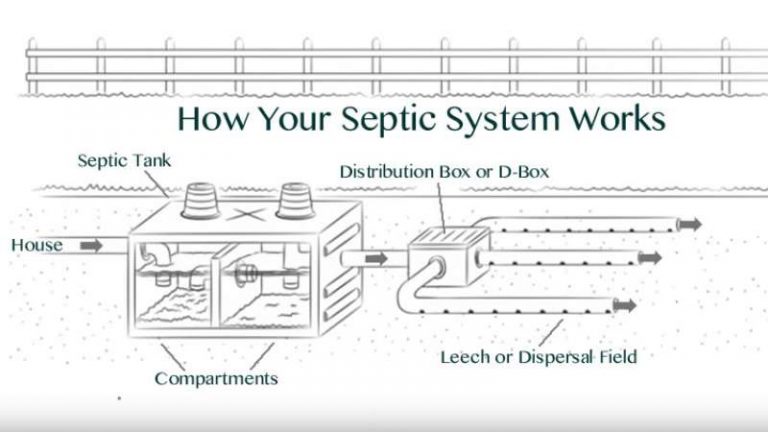
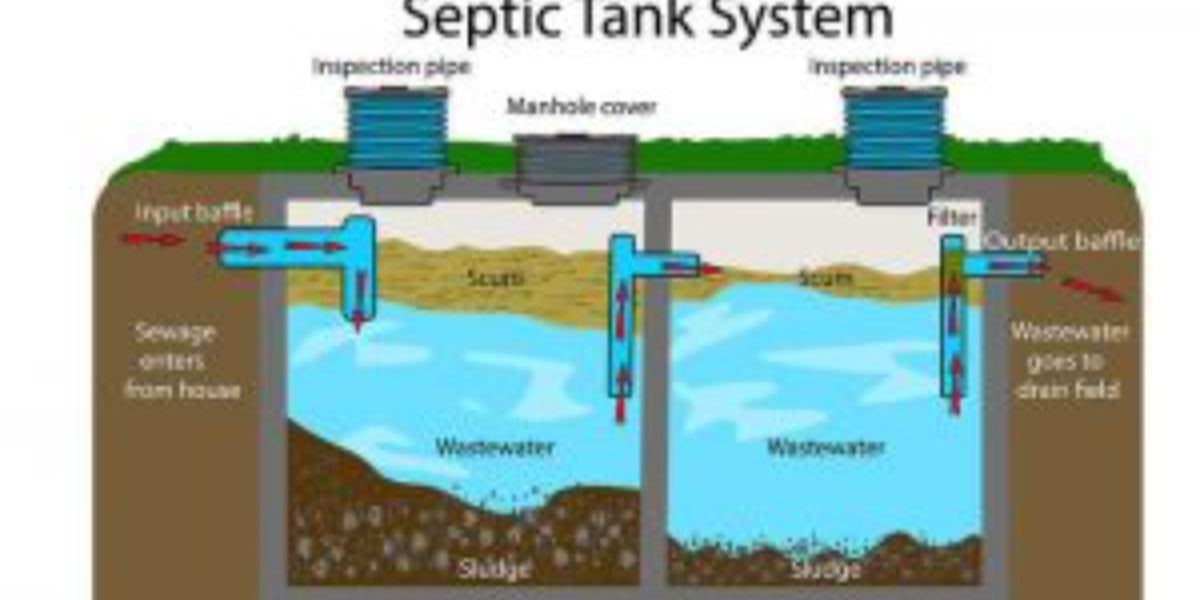
No matter how careful a household is, solids will always accumulate inside the septic tank. They don’t fully break down, and they don’t leave the system on their own.
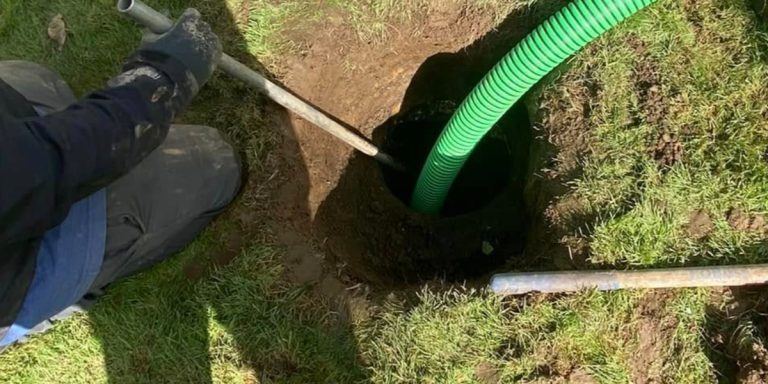
That’s why septic pumping is the most important part of long-term system care. It resets the tank before solids build up to a level that interferes with flow.
Most homes fall into a general 3 to 5 year range, but that timeline can shorten with heavier use. Larger households, frequent guests, and higher water usage all speed up how quickly the tank fills.
Staying on schedule keeps the system operating the way it was designed, without pushing it into a stressed condition.
What actually shortens the life of a septic system
It’s rarely one major failure. It’s the combination of everyday habits and delayed maintenance that gradually wear the system down.
The most common contributors include:
-
- Letting the tank go too long between pump-outs
- Sending grease and non-biodegradable materials into the system
- Overloading the system with water in short periods
- Ignoring small warning signs when they appear
Each one on its own might not cause a problem right away. Together, they accelerate wear and increase the likelihood of failure.
Water usage plays a bigger role than most people expect
Septic systems are designed for steady, consistent use, not large spikes. When too much water enters the system at once, it disrupts how the tank separates waste and can push solids into parts of the system they shouldn’t reach.
This often happens during:
-
- Back-to-back laundry loads
- Long periods of heavy water use
- Large gatherings or temporary increases in occupancy
Spacing out water use doesn’t just reduce strain in the moment, it helps maintain long-term system balance.
Access matters more than people realize
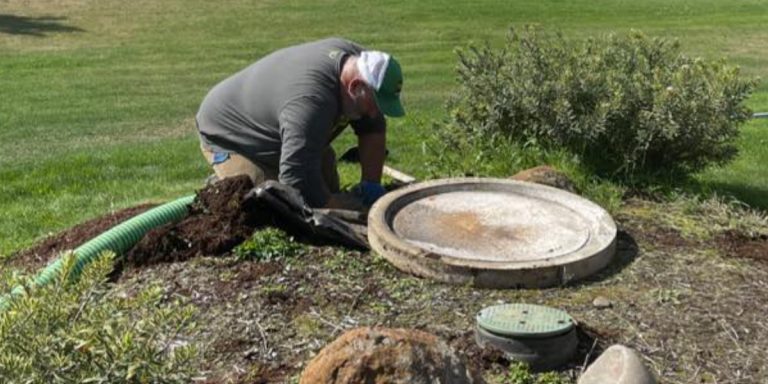
Many septic systems are difficult to access because the tank lid is buried and not clearly marked. That might not seem like a problem until service is needed.
When access is difficult, routine maintenance becomes slower and more disruptive. In some cases, it’s delayed altogether simply because it’s inconvenient to locate and uncover the tank.
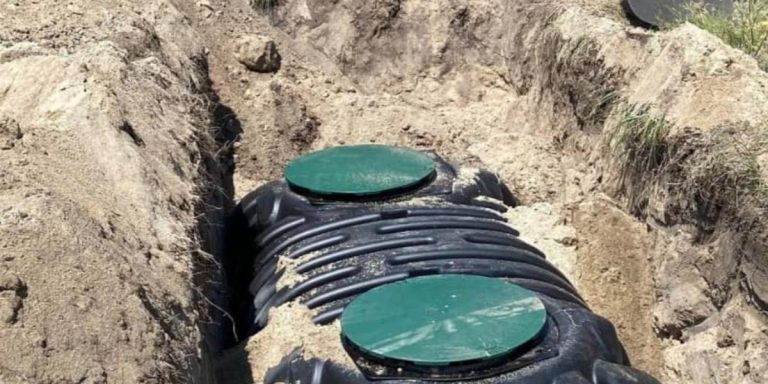
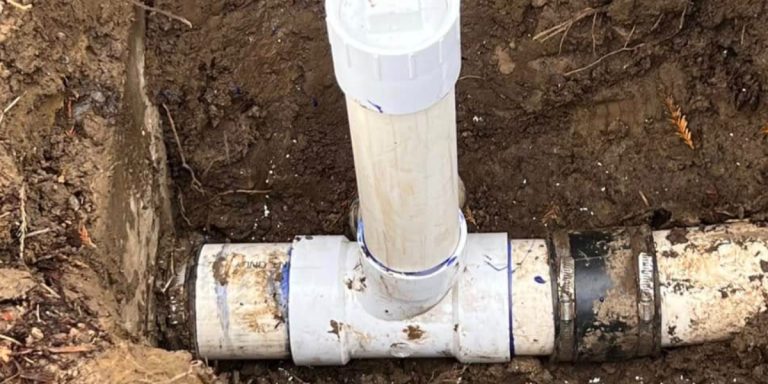
Installing septic tank risers changes that. It brings the access point to the surface, making pumping and inspections straightforward instead of time-consuming.
This is a simple upgrade, but it removes one of the biggest barriers to consistent maintenance.
Why inspections catch what pumping alone can’t
Pumping removes waste, but it doesn’t always reveal how the rest of the system is performing. That’s where inspections come in.
During service, components like filters and lines can be checked to make sure wastewater is moving properly. If something is restricted or starting to fail, it can be addressed early instead of after it creates a noticeable problem.
Services like filter inspections or video inspection and locating are often recommended when there are signs of slow flow or recurring issues.
Planning ahead and maintaining your septic system
Septic systems don’t require constant attention, but they do require consistency. Most problems come from letting too much time pass between service or not understanding how the system is being used.
Why routine maintenance matters
Routine service keeps the system predictable. Instead of reacting to symptoms, you’re preventing the conditions that cause them.
This approach helps:
-
-
- Keep solids from building up too far
- Maintain proper flow through the system
- Reduce the chance of unexpected issues
-
Understanding costs and staying ahead of problems
Routine maintenance is easier to manage than emergency repairs. When service is planned, it’s usually simpler, faster, and less disruptive.
Reviewing septic pumping costs ahead of time helps set expectations and removes uncertainty when it’s time to schedule service.
Making your septic tank easier to service
If access to your tank is limited, installing septic tank risers makes future service faster and eliminates the need to locate and dig every time.
Common questions homeowners have
When it comes to septic care, these are the questions that come up most often:
-
-
- How often should I pump my tank? Most homes fall into a 3 to 5 year range
- Can I wait if nothing seems wrong? Problems usually develop before symptoms appear
- What causes most septic failures? Delayed maintenance and long-term buildup
- Is pumping enough? It’s the foundation, but inspections help catch additional issues
-
Serving homeowners throughout the Santiam area
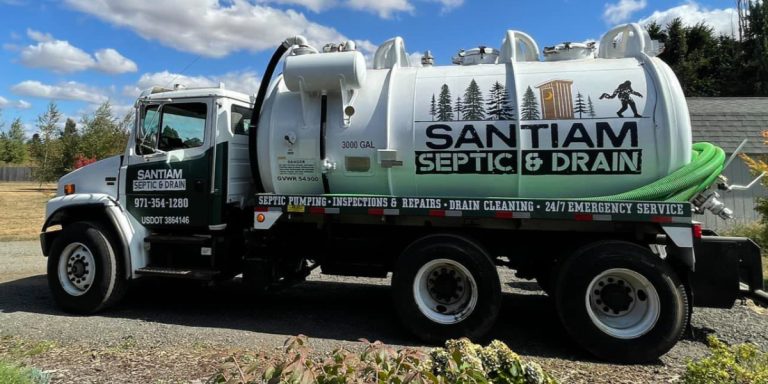
Santiam Septic & Drain provides septic pumping and related services across the region, including:
Schedule your septic service today
If you’re unsure when your septic system was last serviced, it’s better to address it now than wait for it to show up as a problem.
Septic systems tend to fail gradually, not suddenly. By the time symptoms appear, the system is often already under strain.
Call Santiam Septic & Drain or request service online to schedule service and make sure your system is operating the way it should.