My Septic Tank Is Full, What Should I Do Right Now?
Septic problems usually build up quietly. Drains slow down, toilets start acting differently, and then suddenly nothing is moving the way it should. When your septic tank reaches capacity, it stops doing its job, and everything in your home’s plumbing system feels it.
If you’re dealing with a full septic tank right now, acting quickly is the difference between a manageable service call and a messy, expensive situation. This guide walks through exactly what to do, what to avoid, and how professional septic service gets everything back under control.
Why a full septic tank becomes an urgent problem
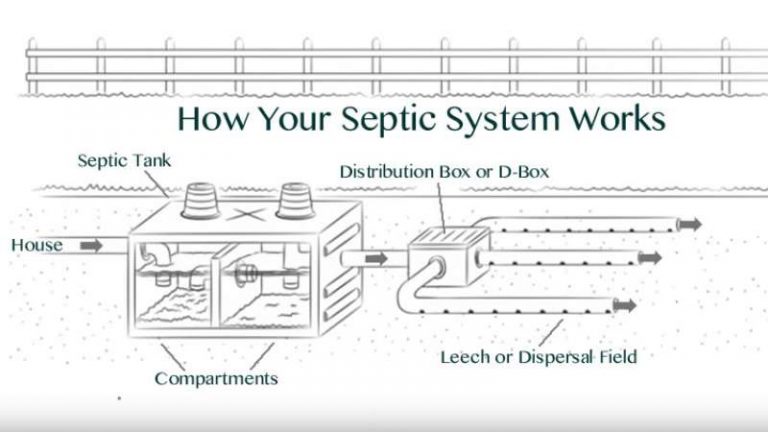
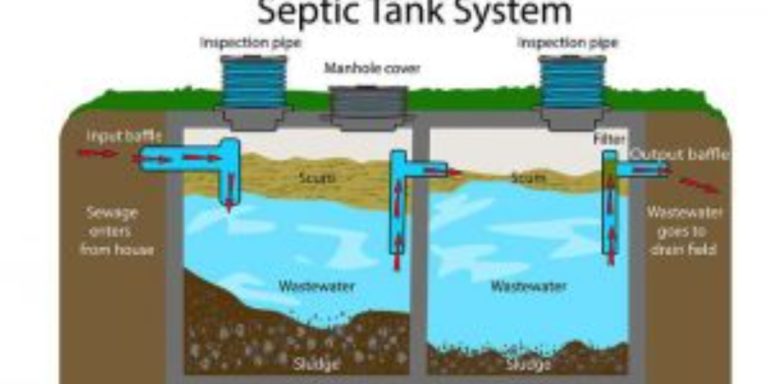
Your septic tank is designed to separate solids from wastewater and allow treated water to move out to the drain field. Once the tank fills up, that separation process breaks down.
When that happens, you may notice:
-
- Wastewater backing up into sinks, tubs, or toilets
- Drains slowing down across the entire home
- Strong sewage odors inside or outside
- Standing water near the drain field area
- Gurgling sounds when plumbing is used
At this point, the system is overloaded. Continuing to use water can force sewage back into the home or push untreated waste into areas it should never reach.
What to do immediately if your septic tank is full
The first priority is to reduce stress on the system and prevent further damage.
Take these steps right away:
-
- Stop or limit water use, avoid laundry, showers, and dishwashing
- Do not flush anything unnecessary
- Check outside for warning signs like pooling water or odors
- Keep people and pets away from any wastewater areas
Reducing water usage helps prevent the situation from getting worse while you arrange for service.
Why septic pumping is the first step
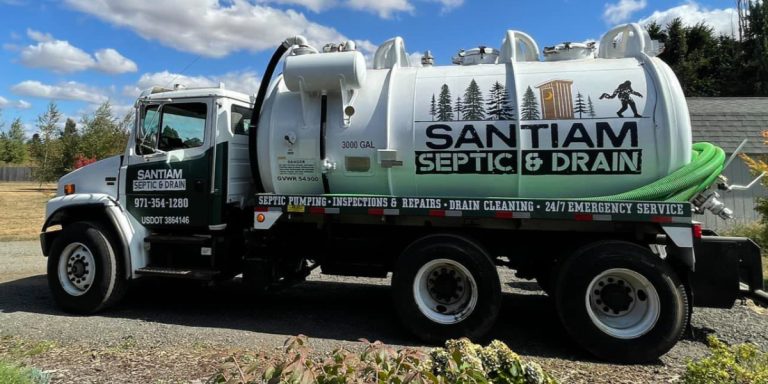
When a tank is full, the only real solution is to remove the waste. Professional septic pumping clears out the tank and restores proper flow through the system.
During a pumping service, technicians will:
-
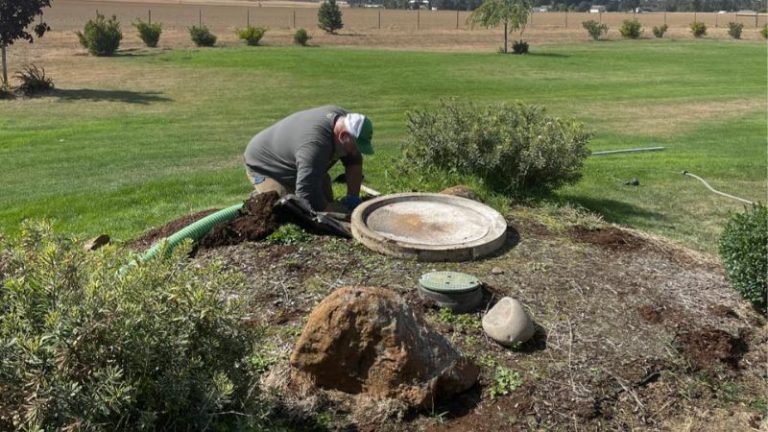
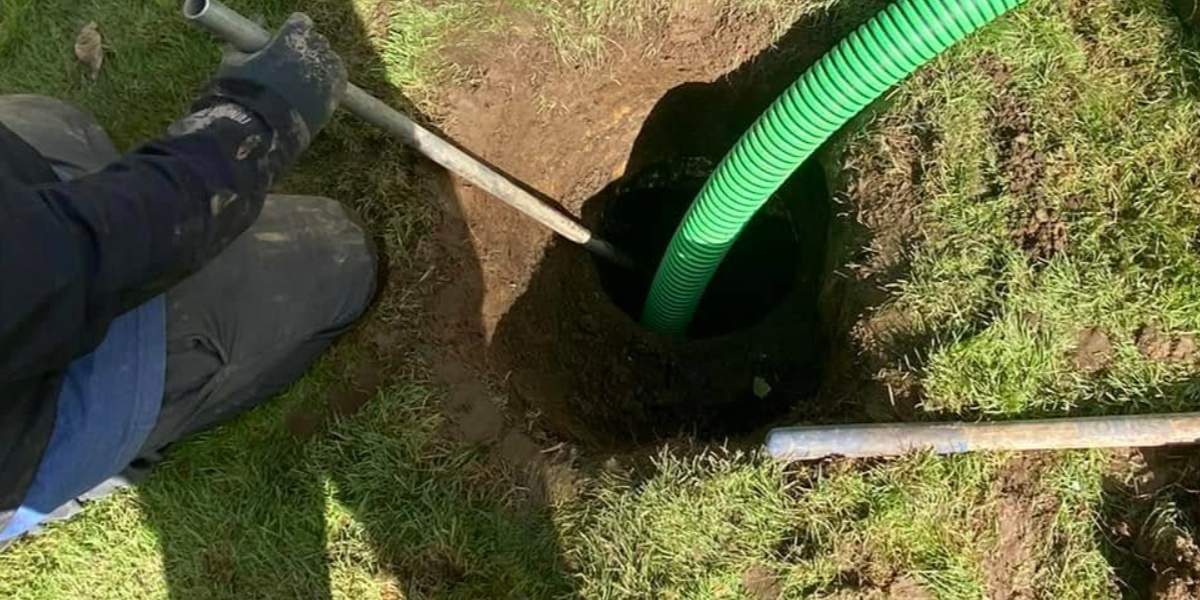
- Locate and access the septic tank
- Remove all liquid and solid waste
- Check the condition of the tank and components
- Ensure proper handling and disposal
This is not something that can be solved with additives or temporary fixes. A full tank requires proper equipment and trained handling.
What NOT to do when your septic tank is full
It’s common to look for quick solutions, but certain actions can make the situation worse.
Avoid the following:
-
- Using chemical drain cleaners
- Adding septic additives as a “fix”
- Continuing normal water usage
- Trying to open or pump the tank yourself
Septic systems depend on proper balance and flow. Introducing chemicals or continuing to overload the system can lead to damage beyond just a full tank.
When a full tank points to a bigger issue
In many cases, a full tank simply means it’s overdue for service. In other situations, it can indicate a deeper problem.
Possible causes include:
-
- Years without pumping
- Higher than normal water usage
- Clogs or blockages in the system
- Drain field issues or saturation
If the tank fills up again quickly after pumping, further diagnostics are usually needed to identify what’s going on.
How inspections help prevent repeat problems
After an emergency pump-out, it often makes sense to follow up with a closer look at the system. Services like septic tank filter inspections and video inspection and locating help identify underlying issues.
An inspection can reveal:
-
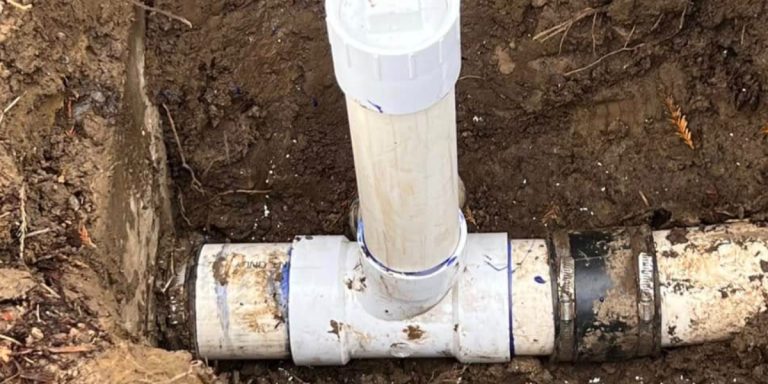
- Blocked or damaged components
- Improper flow between tank sections
- Early signs of drain field stress
- Missing or damaged filters
Getting a clear picture of the system helps prevent repeat backups and unexpected failures.
Drain field and system performance after pumping
A full tank often means the rest of the system has been under pressure as well. After pumping, it’s important to make sure everything downstream is functioning properly.
In some cases, additional services may be needed, including:
-
- Hydro jetting to clear stubborn blockages
- Flow testing and evaluation
- Drain field condition checks
If wastewater is not moving correctly through the system, the problem will return even after pumping.
Special systems that require different service
Not all septic systems are the same. Some properties rely on specialized setups that need specific services when issues arise.
These include:
-
- Lift station pumping for systems that move wastewater uphill
- Holding tank pumping for properties without a drain field
- Dose pump repairs when mechanical components fail
Understanding what type of system you have helps ensure the correct service is performed the first time.
Planning ahead and maintaining your septic system
Once you’ve dealt with a full septic tank, the next step is making sure it doesn’t happen again. A combination of routine service, proper system access, and understanding how your setup works goes a long way in preventing repeat issues.
Why routine maintenance matters
Consistent septic maintenance is the most reliable way to avoid backups and unexpected failures. When a system is left too long between pump-outs, solids build up and eventually restrict flow, which is what leads to most emergency calls.
Long term benefits include:
-
-
- Reduced risk of backups
- Longer system lifespan
- Lower repair costs over time
- More reliable day-to-day performance
-
Keeping up with regular service helps your system operate the way it was designed to and avoids the kind of emergency that comes with a full tank.
Understanding costs and staying ahead of problems
Emergency septic issues are almost always more stressful and more expensive than routine maintenance. Planning ahead with scheduled pumping keeps things predictable and helps avoid urgent situations.
If you’re unsure what to expect, reviewing typical septic pumping costs can give you a realistic idea of pricing and help you stay ahead of service intervals.
Most systems should be pumped every few years depending on household size, water usage, and the condition of the system.
Making your septic tank easier to service
Many septic tanks are buried without easy access, which adds time and cost every time service is needed. Installing septic tank risers allows technicians to reach the tank quickly without digging up your yard.
Benefits of risers include:
-
-
- Quicker access for pumping and inspections
- Less disruption to landscaping
- Faster, more efficient service calls
-
This is often recommended during a pump-out, especially for older systems or properties where the tank location is hard to access.
Common questions homeowners have
After dealing with a full tank, most homeowners want to know how to avoid going through it again. These are some of the most common questions that come up:
-
-
- How often should I pump my tank? Most homes fall into a 3 to 5 year range, but heavy usage may require more frequent service.
- Can I keep using water if problems start? It’s best to limit usage right away to avoid pushing wastewater back into the home.
- Will pumping solve everything? It resolves a full tank, but recurring issues may point to other problems in the system.
- Can I handle septic work myself? Septic systems require proper equipment, safe handling, and correct disposal procedures.
-
If you’re unsure about your system’s condition or maintenance history, having it looked at during your next service call is the best way to stay ahead of future issues.
Serving homeowners throughout the Santiam area
Santiam Septic & Drain provides septic pumping and related services across the region, including:
We regularly work on both in-town and rural properties, where system layouts, soil conditions, and access can vary quite a bit. That experience helps us respond quickly, diagnose issues accurately, and get the right service done without unnecessary delays.
Schedule your septic service today
If your septic tank is full or showing signs of failure, don’t wait.
Backups can escalate quickly, and continued water use will only make the situation worse.
Getting a professional out right away allows the tank to be pumped, the issue to be contained, and the system checked before it leads to bigger problems.
Call Santiam Septic & Drain or request service online to schedule service. A fast response helps protect your home and gets everything working properly again.