Why Are My Drains Suddenly Slow? Septic or Plumbing?
When drains suddenly slow down, most homeowners wonder whether it’s a simple clog or the start of a septic problem. That difference matters. A slow bathroom sink may be a plumbing issue, but slow drains across the house can point to a full tank, a blocked line, a restricted filter, or a septic system that is no longer moving wastewater properly.
For homeowners in Salem, Stayton, Albany, Silverton, Jefferson, Turner, and nearby Marion and Linn County communities, slow drains are one of the most common reasons to call for septic service. Santiam Septic & Drain provides septic pumping, video inspections, filter inspections, and hydro jetting drain services to help find the cause and get the system flowing again.
Why drains suddenly slow down
Slow drains happen when wastewater can’t move freely through the plumbing or septic system. Sometimes the issue is inside the home. Other times, the problem is farther down the line, at the septic tank, filter, pump, or drain field.
Common causes include:
-
- Hair, grease, soap, or debris buildup in a single drain line
- A clog between the home and the septic tank
- A septic tank that is overdue for pumping
- A blocked septic tank filter restricting flow
- A dose pump, lift station, or holding tank issue
The biggest clue is how many fixtures are affected. One slow drain usually points to plumbing. Several slow drains at once often means the septic system needs attention.
Signs it’s probably a plumbing problem
If the problem is limited to one fixture, the septic system may not be the main issue. A slow kitchen sink, tub, or bathroom vanity can be caused by buildup close to that drain.
Signs of a localized plumbing issue include:
-
- Only one sink, shower, or tub drains slowly
- Toilets are flushing normally
- No sewage odors are present
- No wet areas appear around the septic tank or drain field
Even then, harsh chemical drain cleaners are not a good solution, especially on a septic system. If the blockage is deeper in the line, professional hydro jetting or camera inspection may be needed to clear the line without guessing.
Signs it may be a septic system problem
When slow drains show up in multiple areas, the issue is more likely connected to the septic system. This is especially true if toilets flush weakly, tubs drain slowly, or you hear gurgling when water is used elsewhere in the home.
Warning signs include:
-
- Several drains slowing down at the same time
- Toilets struggling to flush or bubbling after use
- Sewage odors inside the home or outside near the tank
- Water backing up into tubs, showers, or floor drains
- Wet or soft ground near the drain field
These symptoms should not be ignored. If the tank is full or wastewater cannot leave the system properly, scheduling septic tank pumping and an inspection can prevent a slow drain issue from turning into a full backup.
How a full septic tank affects your drains
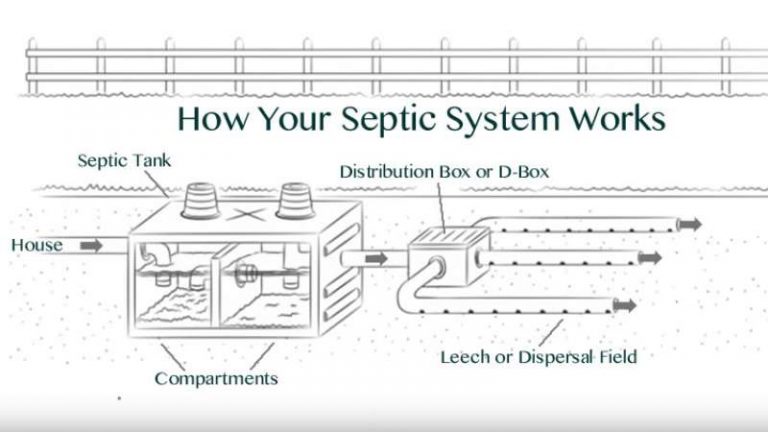
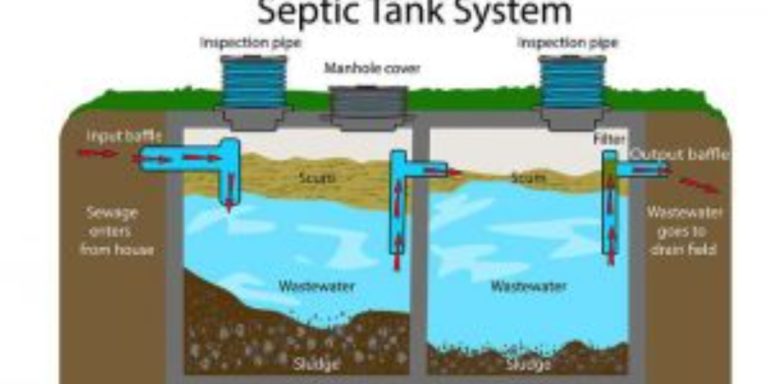
Your septic tank needs enough open space to separate solids, scum, and liquid wastewater. When solids build up for too long, the tank has less room to operate. Flow slows down, pressure builds, and wastewater may begin moving in the wrong direction.
A full or neglected tank can cause:
-
- Slow drains throughout the home
- Gurgling fixtures
- Backups in lower plumbing fixtures
- Strain on the drain field
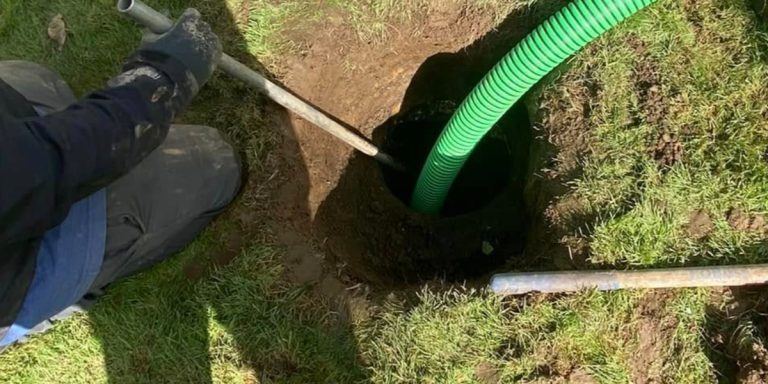
Santiam Septic & Drain pumps septic tanks of different sizes throughout Marion and Linn County. Their septic pumping cost page also explains how tank size, service zone, lid access, and tank condition can affect pricing.
When the septic filter may be the issue
Many septic systems have an outlet filter that helps keep solids from reaching the drain field. When that filter becomes clogged, wastewater can slow down even if the tank is not completely full.
A restricted filter can cause:
-
- Slow drains inside the home
- Intermittent backups
- Water level problems inside the tank
- Reduced flow toward the drain field
This is why septic tank filter inspections are useful when slow drains keep coming back. Cleaning, replacing, or installing a proper filter can help protect the system and improve long-term performance.
What to do when your drains start slowing down
If your drains suddenly slow down, avoid treating it like a normal clog until you know what’s happening. Using more water, repeatedly flushing, or pouring chemicals down the drain can make a septic issue worse.
Start with these steps:
-
- Limit water use until the cause is identified
- Check how many fixtures are affected
- Look outside for odors, wet ground, or standing water
- Avoid chemical drain cleaners
- Call for professional help if multiple drains are slow
For homeowners in Salem, Stayton, Silverton, and nearby communities, a septic technician can determine whether you need pumping, drain cleaning, inspection, or another service.
When camera inspection or hydro jetting makes sense
Not every slow drain is caused by a full septic tank. Sometimes the tank has space, but the line between the home and tank is restricted. Roots, grease, sludge, or settled debris can all create flow problems.
In those cases, the right service may include:
-
- Video inspection and locating to see where the problem is
- Hydro jetting drain services to clear buildup from the line
- Septic tank locating if the lid or system layout is unknown
This approach prevents guesswork. Instead of assuming the tank is the only issue, the line can be checked and cleaned properly if needed.
Special systems can create different symptoms
Some properties around Marion and Linn County have more than a standard gravity-fed septic system. If your setup uses pumps, holding tanks, or lift stations, slow drains can be tied to mechanical or storage issues rather than a simple clog.
Depending on your system, the problem may involve:
-
- Septic dose pump repairs if the pump is not cycling correctly
- Lift station pumping when wastewater must be moved uphill
- Holding tank pumping for systems without a drain field
If an alarm is sounding, wastewater is backing up, or a pump is not turning on and off properly, the system should be inspected by a professional rather than handled as a DIY project.
Planning ahead and maintaining your septic system
Once you’ve dealt with slow drains, the next step is making sure they don’t come back. A combination of routine service, better access, and understanding how your system works can prevent future emergencies.
Why routine maintenance matters
Routine septic maintenance is one of the best ways to prevent slow drains, backups, and unexpected failures. Santiam Septic & Drain recommends regular pumping based on usage, tank size, and system condition, with most homes typically falling into a 3 to 5 year range.
Long term benefits include:
-
-
- Reduced risk of backups
- Better flow through the system
- Less stress on the drain field
- More predictable service costs
-
Staying ahead of maintenance is much easier than waiting until slow drains become sewage backing up into the home.
Understanding costs and staying ahead of problems
Slow drains often show up before the system fully backs up. That early warning gives you a chance to schedule service before the situation becomes urgent.
If you want a clearer idea of what to expect, Santiam’s septic pumping cost guide explains typical pricing, tank size ranges, service zones, lid access, and what can affect the final cost.
Clear pricing and honest communication are especially helpful when you’re already dealing with a stressful septic issue.
Making your septic tank easier to service
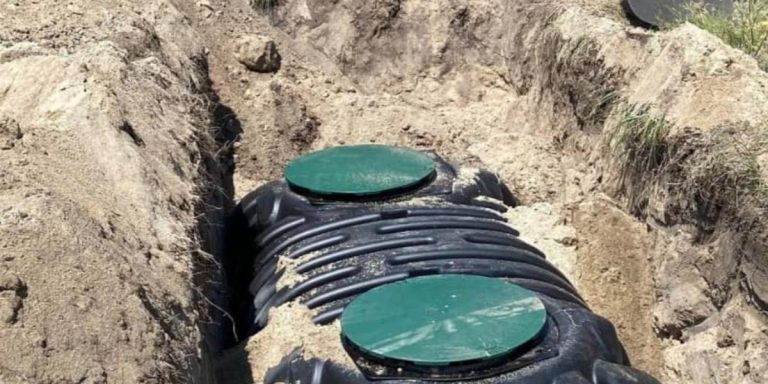
If your septic tank lids are buried, every service call can take longer than necessary. Installing septic tank risers makes pumping and inspections much easier by bringing access closer to the surface.
Benefits of risers include:
-
-
- Faster access for pumping
- Less digging during future service
- Easier filter checks and inspections
-
This upgrade is especially useful for older systems, rural properties, or homes where the tank location has been hard to find.
Common questions homeowners have
When drains slow down, homeowners usually want to know how serious the problem is and who to call first.
-
-
- How do I know if it’s septic or plumbing? One slow fixture is often plumbing. Multiple slow fixtures usually point to septic or a main line issue.
- Should I keep using water? Limit water use until the issue is checked.
- Will pumping fix slow drains? It can if the tank is full, but filters, lines, pumps, or drain field conditions may also need attention.
- Can I fix this myself? Septic work requires proper equipment, safe handling, and correct disposal. It’s best left to professionals.
-
If you’re unsure, start with a professional evaluation. That gives you a clear answer instead of guessing between plumbing, septic, or drain line problems.
Serving homeowners throughout the Santiam area
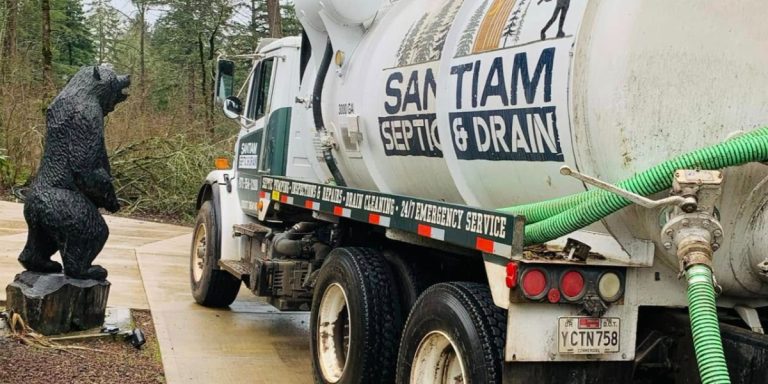
Santiam Septic & Drain is based in Turner, Oregon and provides septic pumping, inspections, repairs, maintenance, and vacuum truck services across Marion County, Linn County, and surrounding Willamette Valley communities, including:
Local experience matters because septic systems can vary between in-town homes, rural properties, older systems, newer installations, and sites with difficult tank access. A local septic company familiar with Marion and Linn County can diagnose slow drains faster and recommend the right next step.
Schedule your septic service today
If your drains are suddenly slow, don’t wait for a full backup.
Slow drains are often the first sign that wastewater is not moving properly through your plumbing or septic system. The earlier the issue is checked, the easier it usually is to contain.
Whether you need septic pumping, filter inspection, video inspection, or hydro jetting, getting a professional evaluation helps identify the cause before the problem spreads.
Call Santiam Septic & Drain or request service online to schedule an evaluation. A fast response can protect your home, prevent unnecessary damage, and get your drains flowing properly again.
SEO Title: Slow Drains? Septic vs Plumbing Problems
URL Slug: slow-drains-septic-vs-plumbing
Meta Description: Drains suddenly slow? Learn how to tell if it’s a septic issue or plumbing problem, what signs to watch for, and when to call for service.
Image Filename: slow-drains-septic-vs-plumbing.jpg