Haven’t Pumped Septic Tank in 10 Years? What Happens
It’s more common than you’d think, a septic system goes years without being pumped, and everything seems fine. No backups, no smells, nothing obvious. Then one day, drains start slowing down, toilets act differently, or something just doesn’t feel right.
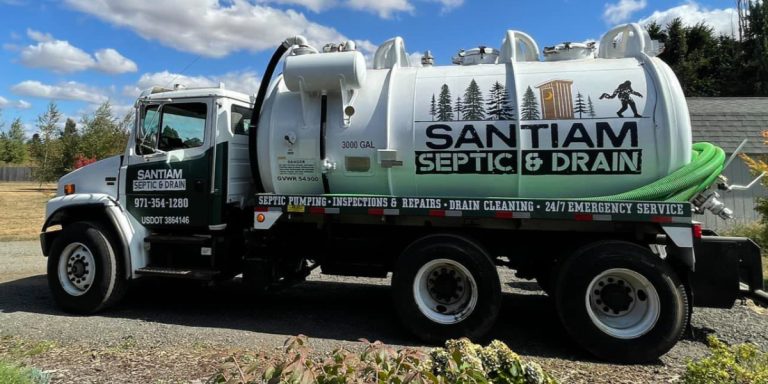
If it’s been 10 years or more since your last pump-out, there’s a good chance your system is overdue for service. For homeowners around Turner, Salem, and across Marion and Linn County, this is one of the most common situations we see before a major septic issue develops. Santiam Septic & Drain provides septic pumping, inspections, and system diagnostics to safely get things back on track.
What happens when a septic tank goes too long without pumping
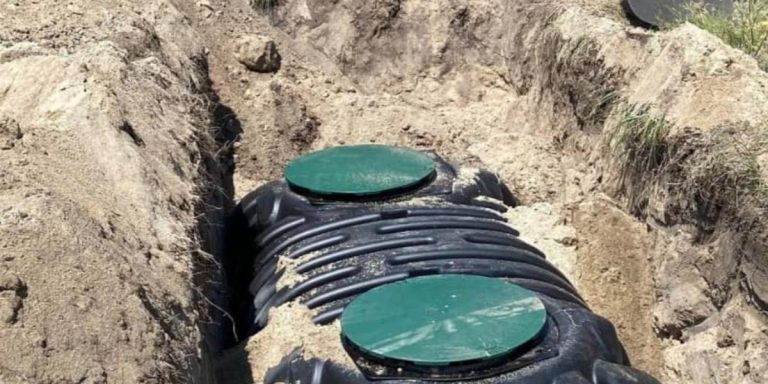
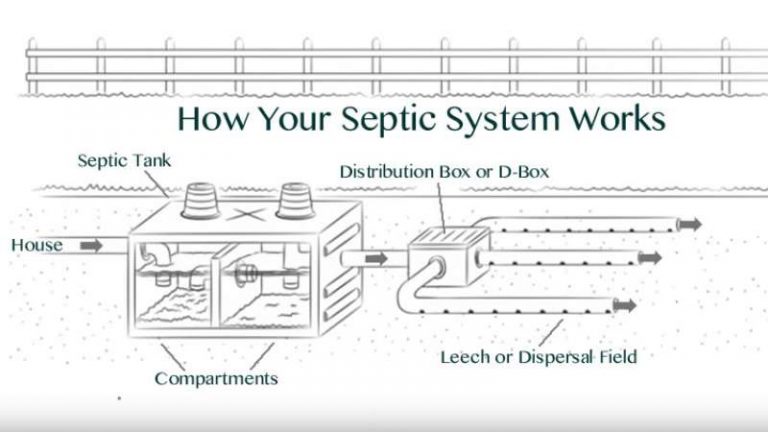
Your septic tank is designed to hold solids while allowing liquid wastewater to flow out to the drain field. Over time, those solids build up. Without pumping, they don’t go anywhere.
After many years, this buildup can:
-
- Reduce the available space inside the tank
- Slow down how wastewater moves through the system
- Push solids into the drain field
- Increase pressure throughout your plumbing
Homes in areas like Stayton and Silverton often rely on septic systems full-time, so going a decade without pumping usually means the tank is well beyond capacity.
Why some systems seem “fine” for years
One of the biggest misconceptions is that if nothing is backing up, the system must be working properly. In reality, septic problems often build slowly.
You might not notice anything until:
-
- Drains begin slowing down
- Toilets stop flushing normally
- Odors start to develop
- The drain field becomes saturated
In places like Salem and Albany, we often see systems that “worked fine” for years right up until they suddenly didn’t.
Early warning signs your tank is overdue
Even if you haven’t had a major backup yet, there are usually signs that your system is struggling.
Common indicators include:
-
- Slow drains across multiple fixtures
- Gurgling sounds in pipes
- Weak toilet flushes
- Occasional backups in tubs or showers
- Odors inside or outside the home
If you’re noticing any of these, it’s a good time to schedule septic tank pumping before the issue escalates.
What happens during the first pump-out after 10+ years
If it’s been a long time, pumping is still the first step, but it’s usually paired with a closer inspection of the system.
During service, technicians will:
-
- Remove all liquid and solid waste from the tank
- Check sludge and scum levels
- Look for signs of damage or structural issues
- Evaluate how the system is functioning overall
In some cases, additional services like filter inspections or video inspection and locating are recommended to make sure everything is moving properly.
When additional problems show up
After going that long without pumping, it’s possible that other parts of the system have been affected.
Potential issues include:
-
- Clogged or damaged outlet filters
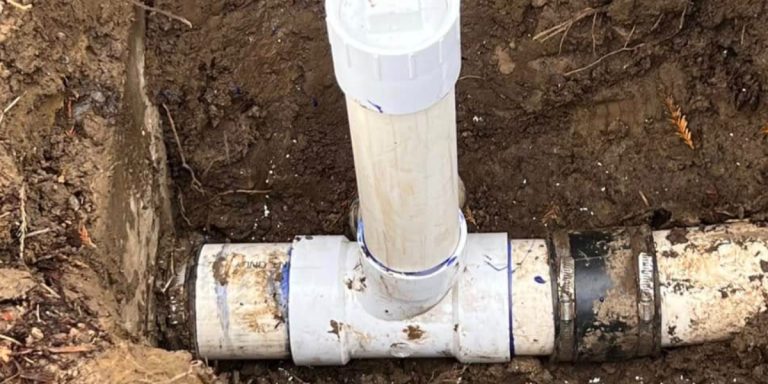
- Restricted lines between the home and tank
- Solids entering the drain field
- Reduced absorption in the soil
If needed, services like hydro jetting can clear buildup in the lines, helping restore proper flow.
Systems with pumps or special components
Some properties rely on more than a standard gravity system. If your system includes pumps or holding tanks, those components may also need attention.
Depending on the setup, this may involve:
Homes in more rural areas around Jefferson or outside city limits often have these setups, and they require proper inspection during service.
Planning ahead and maintaining your septic system
Once you’ve dealt with an overdue system, the goal is to make sure it doesn’t happen again. Regular service, proper access, and understanding your system are key.
Why routine maintenance matters
Routine septic maintenance prevents buildup from reaching critical levels. Most homes should be pumped every few years depending on usage, not every decade.
Long term benefits include:
-
-
- Reduced risk of backups
- Better overall system performance
- Lower long term repair costs
- More consistent drainage
-
Understanding costs and staying ahead of problems
Waiting too long between pump-outs often leads to more complicated service calls. Planning ahead makes everything simpler.
Reviewing septic pumping costs helps set expectations and avoid surprises.
Making your septic tank easier to service
If your septic tank is buried, every service call takes longer and requires digging. Installing septic tank risers brings access to the surface, making pumping and inspections much quicker.
This helps reduce yard disruption, lowers service time, and makes routine maintenance easier going forward.
Common questions homeowners have
When it’s been years since your last service, these are the most common questions:
-
-
- Is my system damaged? Not always, but it should be inspected
- Will pumping fix everything? It’s the first step, but other issues may need attention
- How often should I pump going forward? Usually every 3 to 5 years
- Can I wait longer? Waiting increases the risk of failure
-
Serving homeowners throughout the Santiam area
Santiam Septic & Drain provides septic pumping, inspections, repairs, and wastewater services across Marion County, Linn County, and surrounding Willamette Valley communities, including:
We regularly service both in-town properties and rural homes throughout the Santiam area, where septic systems vary widely in age, layout, and accessibility. That local experience helps us respond quickly and recommend the right service based on how systems actually perform in this region.
Schedule your septic service today
If it’s been 10 years or more since your last pump-out, don’t wait for a backup to happen.
An overdue septic tank can go from “working fine” to a major issue quickly. What starts as slow drains or minor warning signs can turn into sewage backing up into the home, damage to your drain field, and more expensive repairs if it’s ignored.
Getting the system pumped and inspected now gives you a clear picture of its condition and allows problems to be handled before they spread. In many cases, a simple pump-out and inspection is all it takes to get things back under control.
Call Santiam Septic & Drain or request service online to schedule service. A fast response helps protect your home, avoid unnecessary damage, and get your septic system working the way it should.