Can’t Find Septic Tank Lid? What To Do
You go to schedule septic service and hit a wall right away, no one knows where the tank lid is. Maybe the property changed hands, maybe the yard has been reworked, or maybe it’s just been too long since anyone needed access. Either way, without locating the tank, nothing else can move forward.
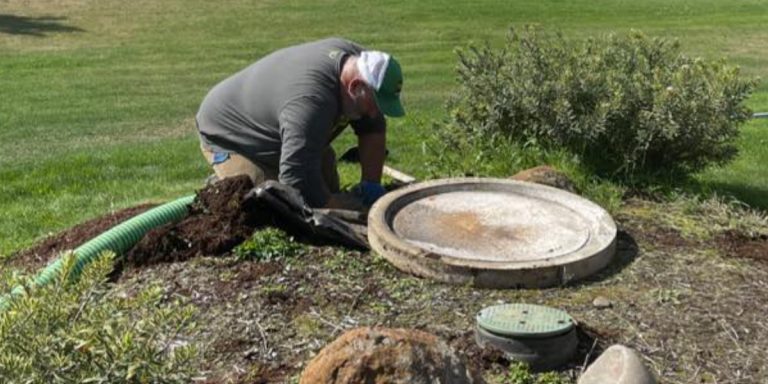
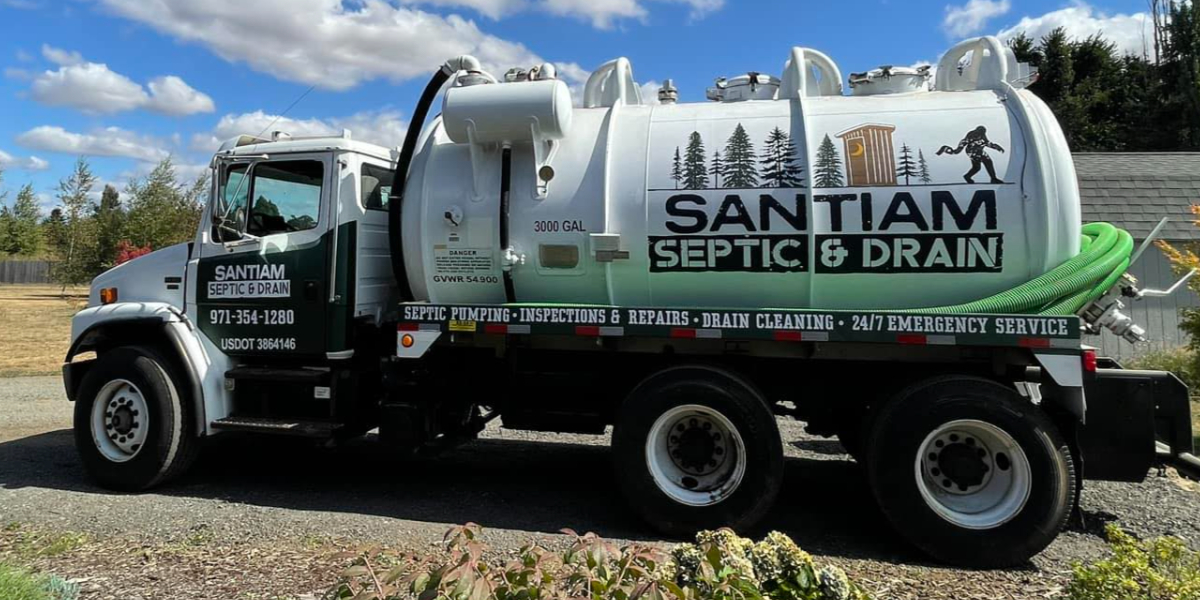
This comes up all the time for homeowners around Turner, Salem, and across Marion and Linn County. Older properties, rural layouts, and buried systems make access a challenge. Santiam Septic & Drain handles septic tank locating, lid uncovering, and septic pumping so service can actually get done without guesswork.
Why septic tank lids get lost over time
Septic systems are built to be buried, and unless something is installed to mark them, they slowly disappear from view. Over time, even homeowners who once knew the location can lose track of it.
Common reasons include:
-
- No riser or surface marker installed
- Years of grass growth and soil buildup
- Landscaping changes or yard regrading
- Previous owners never documented the system
In places like Stayton and Sublimity, where many homes rely on septic, it’s not unusual for lids to be completely hidden just a few inches below the surface.
Where septic tanks are usually located
Even without a visible lid, most septic systems follow similar layout patterns. The tank is typically positioned a short distance from the home, along the main sewer line.
In most cases, you’ll find the tank:
-
- 5 to 25 feet from the foundation
- In line with the main plumbing exit point
- Between the house and the drain field area
For properties around Salem and Albany, this layout is fairly consistent, but exact placement can vary depending on age of the system and lot configuration.
Clues that can help you narrow it down
Even if the lid isn’t visible, there are often subtle signs that point you in the right direction.
Look for:
-
- A slight raised or sunken area in the yard
- Greener or faster-growing grass in one spot
- Exposed cleanouts or small pipe stubs
- A worn path between the house and a specific area
On properties around Silverton and Jefferson, these visual clues are often the fastest way to narrow down the search before digging begins.
Why random digging is not a good idea
It’s tempting to start digging where you think the tank might be, but this usually leads to more problems than solutions.
Risks include:
-
- Damaging the tank lid or riser
- Hitting inlet or outlet pipes
- Wasting time digging in the wrong spot
- Creating unnecessary yard damage
Without knowing the exact layout, it’s easy to miss the tank entirely or damage part of the system. That’s why most homeowners end up calling for professional locating instead.
How septic tank locating works
Locating a septic tank is usually faster than people expect when done correctly. Professionals use a mix of experience, layout knowledge, and tools to pinpoint the tank location.
This process can include:
-
- Tracing the sewer line from the home
- Probing the soil to identify tank edges
- Camera inspection to follow the pipe underground
- Confirming tank dimensions and lid placement
For rural properties outside Turner or in less uniform areas, this step is especially important since layouts are less predictable.
What to do once the lid is found
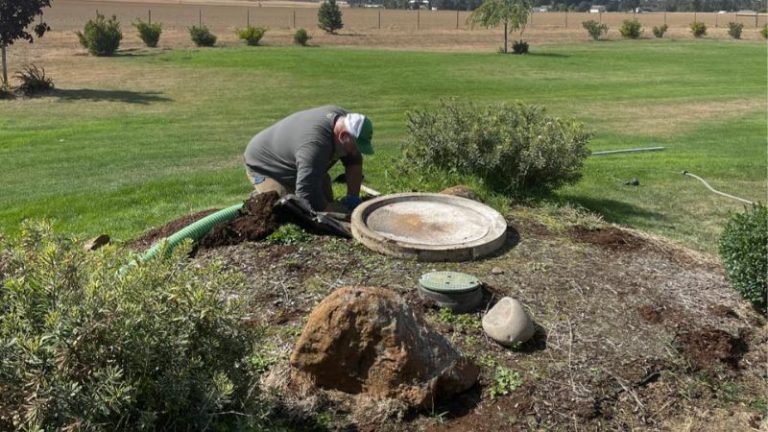
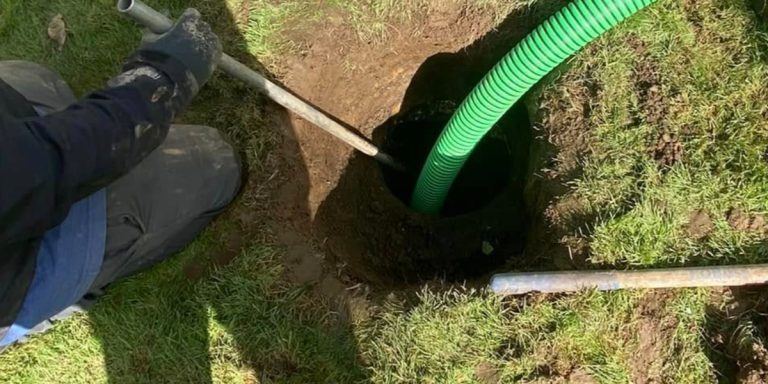
Once access is established, most homeowners move forward with service right away, especially if it’s been several years.
Typical next steps include:
-
- Septic pumping to remove accumulated waste
- Filter inspection to check for flow restrictions
- Basic system evaluation to confirm everything is working properly
If the tank hasn’t been accessed in years, it’s usually best to handle everything in one visit rather than delaying service again.
Why risers solve this problem long term
If you had trouble finding your tank once, it will happen again unless something changes. Installing septic tank risers eliminates that problem.
With risers in place:
-
- The lid stays accessible at ground level
- Pumping and inspections are faster
- No digging is required for future service
This is one of the most common upgrades recommended after a tank is located for the first time.
Planning ahead and maintaining your septic system
Once your septic tank has been located, the priority shifts to making future access simple and avoiding delays the next time service is needed.
Why routine maintenance matters
After a tank goes unnoticed for years, it’s easy to fall into the same pattern again. Setting a clear pumping schedule keeps the system predictable and prevents future service from turning into another search-and-dig situation.
Staying consistent helps:
-
-
- Avoid last-minute service calls
- Keep waste levels under control
- Reduce strain on the rest of the system
- Catch small issues before they grow
-
Understanding costs and staying ahead of problems
Once you know where your tank is, service becomes more straightforward and easier to plan around. Instead of reacting to problems, you can schedule work on your timeline.
Looking at typical septic pumping costs ahead of time also helps set expectations and avoid surprises when service is needed.
Common questions homeowners have
After going through the process of finding the tank, these are the most common follow-up questions:
-
-
- Do I need to mark the lid? Yes, keeping it visible saves time on future service
- Should I install a riser now? It’s usually recommended while the tank is already exposed
- How often will I need access? Most systems are serviced every few years
- Can it get buried again? Yes, without a riser or marker, it often will over time
-
Serving homeowners throughout the Santiam area
Santiam Septic & Drain provides septic services across Marion and Linn County, including:
Schedule your septic service today
If you can’t find your septic tank lid, don’t let it delay needed service.
Locating the tank is the first step, and once it’s found, the system can be pumped, inspected, and brought back to proper working condition.
Waiting usually just pushes the problem further down the line. If the tank is already overdue or showing signs of buildup, delays can lead to slow drains, backups, or more complicated repairs that could have been avoided with earlier access.
Call Santiam Septic & Drain or request service online to schedule locating and service. Getting it handled now means faster access, less disruption, and a clear understanding of your system moving forward.