How Often Should You Pump Your Septic Tank?
Most homeowners know septic tanks need to be pumped, but the timing is where things get confusing. Some systems go years without obvious trouble, which makes it easy to assume everything is fine. The problem is that septic tanks can keep working quietly while solids continue building up inside.
If you’re wondering how often to pump your septic tank, the safest answer is usually every few years, not whenever a backup happens. For homeowners in Salem, Albany, Stayton, Silverton, Jefferson, Turner, and nearby Marion and Linn County communities, Santiam Septic & Drain provides septic pumping, inspections, and related services to help keep systems working before they become emergencies.
How often should you pump your septic tank?
For many homes, septic tanks should be pumped about every 3 to 5 years. That range is a useful starting point, but it is not a hard rule for every property.
Your actual schedule depends on how quickly solids build up inside the tank. A small household with light water use may not need service as often as a busy family home with multiple bathrooms, frequent laundry, and heavy daily use.
The biggest factors that affect pumping frequency include:
-
- How many people live in the home
- The size of the septic tank
- How much water the household uses
- Whether grease, wipes, or other problem materials go down the drain
- The age and condition of the system
If you do not know the last time your tank was pumped, it is better to schedule service than wait for warning signs. By the time drains slow down or toilets begin acting up, the tank may already be overdue.
Why septic tanks need regular pumping
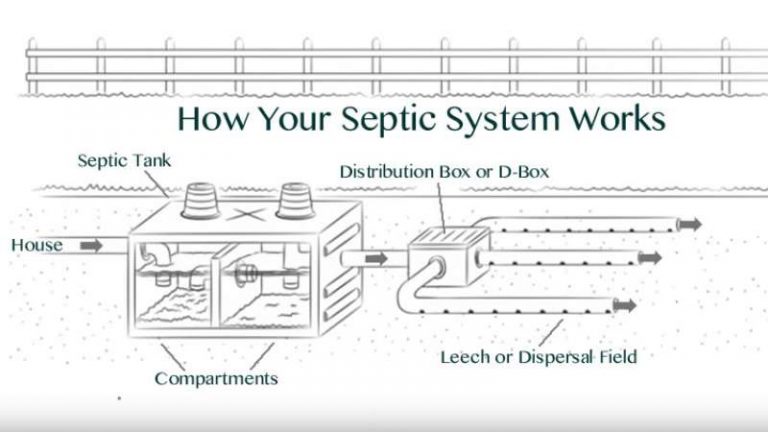
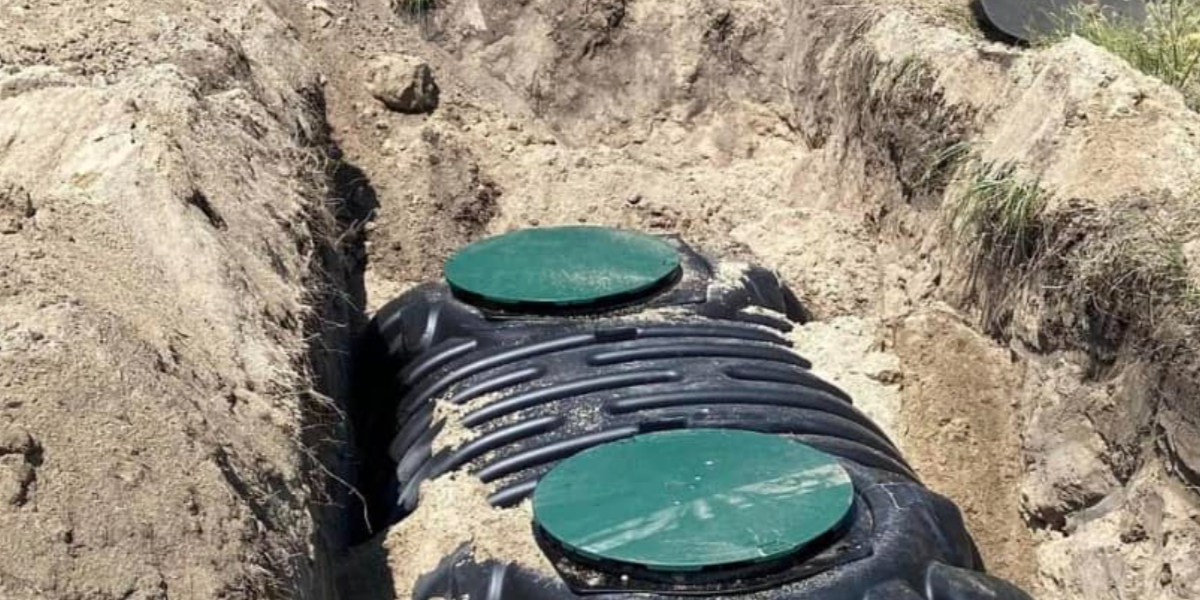
A septic tank separates wastewater into layers. Solids settle at the bottom, fats and lighter material float to the top, and liquid wastewater exits toward the drain field. Pumping removes the solids and buildup that do not leave the tank on their own.
Without pumping, the tank gradually loses working capacity. There is less room for proper separation, and wastewater has a harder time moving through the system.
Regular septic tank pumping helps:
-
- Remove sludge and scum before they build up too far
- Protect the outlet filter and downstream components
- Reduce the chance of solids reaching the drain field
- Keep wastewater flowing through the system properly
This is why pumping should be treated as normal maintenance, not just an emergency response after a backup.
What happens if you do not pump your septic tank?
Skipping one service interval may not cause an immediate disaster, which is why many homeowners put it off. The risk is that the damage builds slowly and often stays hidden until the system is already under stress.
When a tank goes too long without pumping, solids can build up high enough to interfere with flow. Eventually, wastewater may move more slowly through the home, the tank may stop separating waste properly, and solids may begin moving toward areas they should never reach.
Common problems from delayed pumping include:
-
- Slow drains throughout the home
- Gurgling sounds when fixtures are used
- Toilets that flush weakly or inconsistently
- Sewage odors inside or outside
- Backups into tubs, showers, or low drains
Once solids affect the drain field, the issue becomes much more serious. At that point, pumping may still be needed, but it may not solve the entire problem.
Warning signs your septic tank is overdue
A septic system can be overdue even if it has not backed up yet. The earlier signs are usually subtle, especially on properties where the system has not been serviced in several years.
Watch for changes like:
-
- Multiple drains slowing down at the same time
- Water standing in tubs or showers longer than normal
- Gurgling after flushing or running water
- Odors near the tank, yard, or drain field
- Wet or unusually soft ground near the septic area
Homeowners around Stayton, Silverton, and rural areas near Turner often notice these signs before calling for service. If several fixtures are affected, it is usually safer to assume the septic system needs attention.
What affects septic pumping cost?
Septic pumping cost depends on more than just the act of emptying the tank. Tank size, accessibility, service location, lid condition, and how long the system has gone between pump-outs can all affect the final price.
A tank that is easy to access is usually simpler to service than one that has buried lids, unknown location, or heavy buildup. If the tank has not been pumped in many years, the service may take longer and may require a closer look at system condition.
Factors that can affect cost include:
-
- Tank size and volume
- Whether the lid is exposed or buried
- How easy the property is to access
- Whether additional inspection or troubleshooting is needed
If you want a better idea of what to expect before scheduling, Santiam Septic & Drain’s septic pumping cost guide can help you understand common pricing factors.
When pumping is not the only thing needed
Pumping is the first step for an overdue septic tank, but it may not be the only service needed if the system has symptoms or has gone too long without maintenance.
For example, a clogged outlet filter can restrict flow even after the tank is pumped. A line between the house and tank may have buildup. A system with a pump may have a mechanical issue that affects how wastewater moves.
Depending on what is found, additional services may include:
-
- Septic tank filter inspections to check for restricted flow
- Video inspection and locating if a line issue or tank location problem is suspected
- Hydro jetting drain services to clear buildup in drain lines
This is why it helps to have the system evaluated during service, especially if you are already seeing slow drains, odors, or backups.
Special systems may need different service intervals
Not every septic system is a basic gravity-fed setup. Some properties use pumps, lift stations, or holding tanks, and those systems may require more frequent attention than a standard residential septic tank.
If your system has mechanical components, alarms, or a holding tank, waiting several years without service can create different problems. Pumps can fail, tanks can reach capacity faster than expected, and wastewater may stop moving properly.
Specialized services may include:
-
- Septic dose pump repairs for systems that rely on pumps to move wastewater
- Lift station pumping for systems that move wastewater uphill or across distance
- Holding tank pumping for properties without a traditional drain field
If you are not sure what type of system you have, that is worth clarifying during your next service call.
Planning ahead and maintaining your septic system
Once you know your pumping schedule, the next step is staying consistent. A combination of routine service, good access, and basic system awareness helps prevent most avoidable septic problems.
Why routine maintenance matters
Consistent pumping keeps solids from building up to the point where they restrict flow or threaten the drain field. It also gives a technician a chance to spot obvious issues before they turn into urgent problems.
Long term benefits include:
-
-
- Reduced risk of sewage backups
- More reliable drainage throughout the home
- Less stress on the drain field
- Fewer surprise service calls
-
The goal is to pump the tank before symptoms appear, not after drains stop working.
Understanding costs and staying ahead of problems
Routine pumping is easier to plan for than emergency service. When you know your interval, you can budget for septic maintenance the same way you would for other home systems.
Reviewing typical septic pumping costs can help you understand what affects pricing, especially if your tank has buried lids, access issues, or unknown service history.
If your system is already showing signs of trouble, schedule service sooner rather than trying to stretch the timeline.
Making your septic tank easier to service
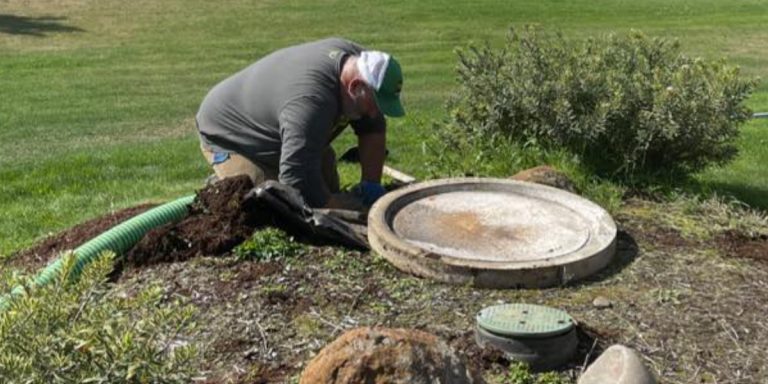
If your tank is buried or difficult to access, each service visit takes longer than it should. Installing septic tank risers brings access closer to the surface and makes future pumping and inspections much easier.
Risers are especially helpful for older systems, rural properties, or homes where the lid location is not obvious.
Common questions homeowners have
When homeowners ask about pumping frequency, these are the concerns that usually come up:
-
-
- Can I wait longer if nothing seems wrong? You can, but symptoms often appear late, after the tank is already overdue.
- Is pumping really necessary? Yes, solids remain in the tank and need to be removed.
- What is the safest schedule? Many homes fall into a 3 to 5 year range, but usage and tank size matter.
- Will pumping prevent every septic issue? No, but it prevents many buildup-related problems and helps protect the system.
-
If you do not know your last pump-out date, scheduling service is the simplest way to reset the clock and get a clearer picture of your system.
Serving homeowners throughout the Santiam area
Santiam Septic & Drain provides septic pumping and related services across the region, including:
We regularly work on both in-town and rural properties, where system layouts, soil conditions, tank access, and maintenance history can vary. That experience helps us recommend the right next step, whether your tank is simply due for pumping or showing signs of a larger issue.
Schedule your septic service today
If you are unsure when your septic tank was last pumped, do not wait for a backup to confirm it is overdue.
A septic tank can seem fine for years while solids continue building up inside. Once drains slow down, toilets gurgle, or odors appear, the system may already be under stress.
Getting the tank pumped and checked now gives you a clear starting point. From there, you can set a practical maintenance schedule, address access issues, and avoid waiting until the system becomes urgent.
Call Santiam Septic & Drain or request service online to schedule septic pumping. A routine service visit today can help protect your home, reduce the risk of backups, and keep your septic system working properly.