Septic Smell Outside? What It Means & What To Do
You step outside and catch a sewage smell that wasn’t there before. It might be faint at first, then stronger near a certain part of the yard, especially after running water or after rain. When that smell is coming from outside, it’s usually not random, it’s your septic system telling you something has changed.
Across Turner, Salem, Stayton, and surrounding Marion and Linn County areas, outdoor septic odors are one of the earliest signs we see before a service call turns urgent. Santiam Septic & Drain handles septic pumping, system diagnostics, and inspections to track down where the smell is coming from and correct it before it spreads into bigger problems.
Septic smells outside don’t happen without a reason
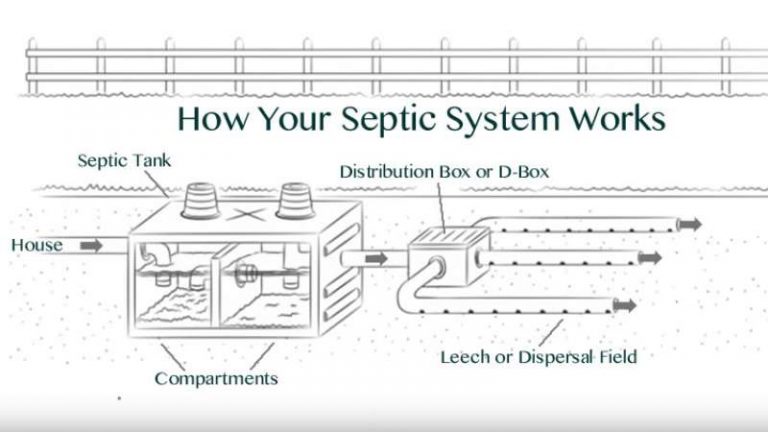
A properly working septic system keeps wastewater contained and moving underground. You shouldn’t be able to smell it in your yard. When odors show up, it usually means gases are escaping or wastewater isn’t being handled the way it should be.
That breakdown can happen in a few different ways:
-
- The tank is full and no longer separating waste properly
- Flow is restricted somewhere between the home and the drain field
- The soil around the drain field is overloaded or saturated
- Gases are venting in the wrong location instead of through the system
Homes in areas like Salem and Albany often experience this when systems are overdue for maintenance or pushed beyond normal use.
Start by figuring out where the smell is strongest
Location matters more than most people realize. Where the odor is strongest can point directly to the part of the system that needs attention.
If the smell is near the tank area, you’re often dealing with:
-
- A tank that is full or close to capacity
- A lid that is not sealed tightly
- A buried tank allowing gases to collect near the surface
If the smell is spread across the yard or concentrated over the drain field, it can indicate:
-
- Soil that is no longer absorbing wastewater efficiently
- Wastewater sitting too close to the surface
- A system that is being overloaded by usage or conditions
On properties around Stayton and Silverton, this difference in location is often the fastest way to narrow down what’s actually happening.
The most common reasons septic odors show up
While every system is a little different, most outdoor odors trace back to a small number of underlying causes.
These are the ones we see most often:
-
- Overdue pumping allowing solids and gases to build up
- Clogged outlet filters slowing down flow leaving the tank
- Line restrictions between the house and tank
- Drain field saturation from heavy use or poor drainage
- Improper venting that traps odors near ground level
In many cases, the issue isn’t complicated, it just hasn’t been addressed yet. A proper evaluation usually identifies the cause quickly.
Why smells often get worse after rain or heavy use
Septic odors are rarely constant. They tend to show up or intensify under certain conditions, which can make them seem unpredictable.
Two of the biggest triggers are:
-
- Heavy rain, which saturates the soil and reduces absorption
- Increased water use, which pushes more volume through the system
For example, after extended rain in areas like Jefferson or Turner, the ground can’t take on additional wastewater as easily. That causes odors to linger or rise closer to the surface.
Likewise, running multiple loads of laundry, hosting guests, or using more water than usual can stress a system that’s already near capacity.
When septic pumping fixes the issue
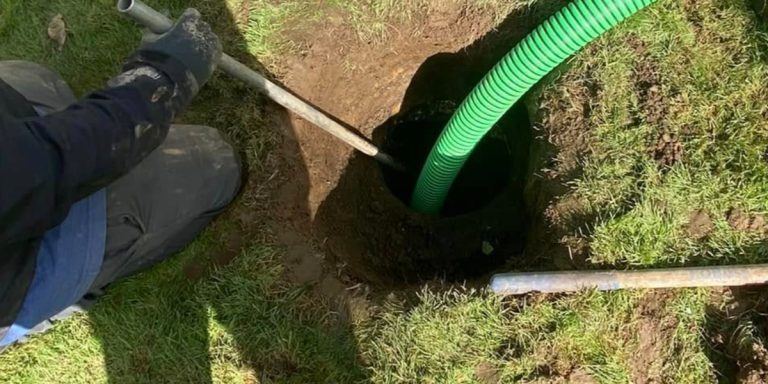
If the odor is coming from a tank that’s full or close to it, pumping is usually the fastest way to resolve the problem. Removing the accumulated waste restores space inside the tank and reduces gas buildup.
During septic tank pumping, the system can also be checked for obvious issues, such as blocked filters or abnormal levels inside the tank.
If the smell disappears after pumping, it’s a strong indicator that the system was simply overdue for service.
When the smell points to something more than the tank
If odors return quickly or never fully go away, the cause is likely somewhere else in the system. At that point, it’s not just about emptying the tank, it’s about identifying where flow or performance is breaking down.
That may involve:
-
- Septic tank filter inspections to check for restrictions
- Video inspection to locate blockages or line issues
- Hydro jetting to clear buildup in pipes
These steps help pinpoint the issue so it can be corrected properly, rather than temporarily masked.
Planning ahead and maintaining your septic system
Once you’ve dealt with a septic odor, the next step is making sure it doesn’t come back. Most odor issues are tied to timing, usage, or system strain.
Why routine maintenance matters
Keeping up with regular pumping prevents the tank from reaching capacity and reduces the chance of gases escaping into the yard. It also keeps wastewater moving through the system the way it’s supposed to.
Long term benefits include:
-
-
- Less chance of odors developing around the property
- More stable system performance
- Reduced risk of backups
- Lower stress on the drain field
-
Staying on schedule is one of the simplest ways to prevent odor issues from returning.
Understanding costs and staying ahead of problems
Septic odors are often an early warning sign, and dealing with them early is usually much simpler than waiting for a backup or drainage issue. Once problems escalate, service can take longer and become more involved.
Reviewing typical septic pumping costs helps you plan ahead and avoid having to deal with urgent service when the system is already under stress.
Making your septic tank easier to service
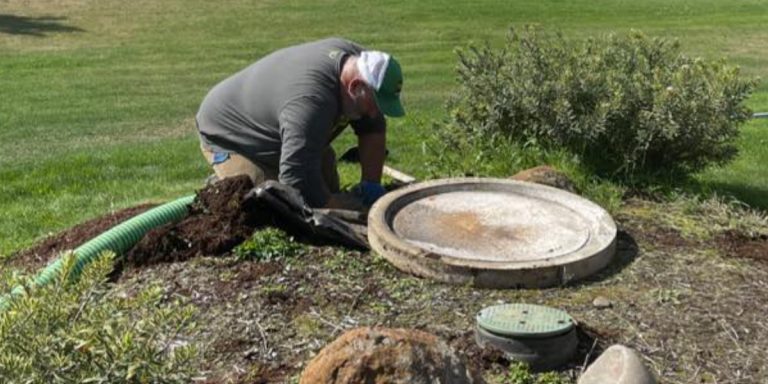
If your tank is buried, every service call requires locating and digging before work can begin. Installing septic tank risers brings access to the surface, making future pumping and inspections faster and more straightforward.
Common questions homeowners have
When septic smells appear outside, these are the most common concerns:
-
-
- Will the smell go away on its own? Usually not without addressing the cause
- Is it safe to ignore? Odors often indicate system stress
- Does pumping fix it? If the tank is full, it often does
- Can additives solve it? They don’t replace proper service
-
Serving homeowners throughout the Santiam area
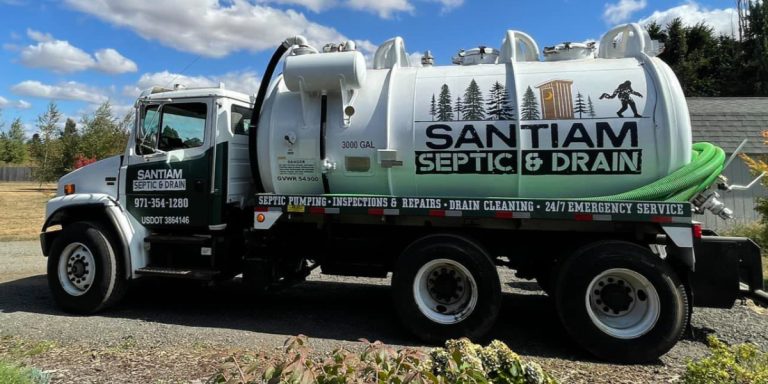
Santiam Septic & Drain provides septic pumping and related services across the region, including:
We work on a wide range of systems, from in-town properties to rural setups with varying layouts and soil conditions, which helps us diagnose odor issues accurately and recommend the right solution.
Schedule your septic service today
If you’re smelling septic odors outside, it’s a sign the system needs attention.
Waiting usually allows the issue to get worse, especially if it’s tied to a full tank, restricted flow, or saturated ground conditions. What starts as a smell can turn into slow drains, backups, or more involved system issues if it’s left too long.
Getting the system checked now helps identify the source early, whether it’s something simple like overdue pumping or something that needs further inspection.
Call Santiam Septic & Drain or request service online to schedule an evaluation and get the problem handled before it turns into a larger repair or disruption.